Move out inspection and report for a smooth handover
Learn how a move out inspection, report and handover process help avoid disputes and make tenancy endings smoother.
- Published: .
What is a move out inspection
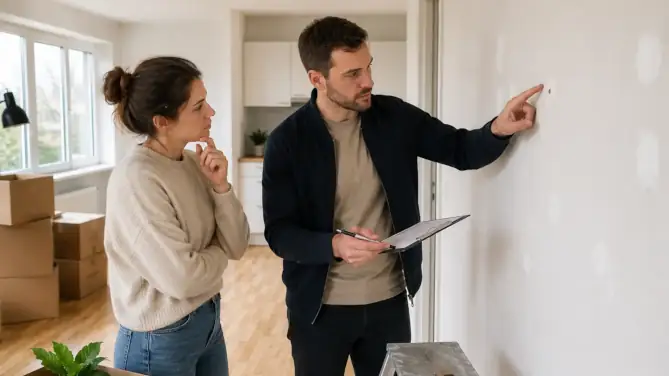
A move out inspection is the review carried out when a tenant leaves a property. The purpose is to check whether the home has been handed back according to the lease and the applicable rules. During the inspection, the landlord can record wear and tear, missing items, damage, and anything that needs to be fixed before the property is rented out again. Some people confuse this with a simple cleaning check, but the process is more formal and is meant to give both sides the same view of the condition.
When the inspection is done properly, it becomes much easier to separate normal wear from issues that may lead to compensation. That is why a move out inspection should be structured, documented with photos, and described in clear language. The more precise the notes are, the easier it is to close the tenancy in a fair and transparent way for everyone involved.
What a strong move out report should include
A move out report collects the key findings from the inspection and serves as the written record. It should describe the condition of each room, any defects, the keys returned, and whether any follow-up is required. A good report is not only an internal tool for the landlord; it is also important evidence if there is later a dispute about repairs, compensation, or the final settlement. For that reason, the wording should stay neutral, concrete, and easy to understand.
- Date and time of the move out inspection
- Names of attendees and any powers of attorney
- Review of each room and relevant installations
- Photos of defects, damage, and wear
- Notes about keys, access, and missing items
- A clear conclusion about the next steps
The report should be written while the findings are still fresh, so nothing important is forgotten. It is also a good idea to share it with the tenant soon after the appointment, so both parties can review what was noted. In that way, the move out report becomes more than paperwork; it becomes part of a transparent and professional handover process.
Common mistakes to avoid during a handover inspection
One of the most common mistakes during a handover inspection is to make the review too superficial. If you only focus on the first things you notice, smaller defects or issues can be missed. That can later lead to disagreement about who is responsible. Another mistake is using unclear wording, such as saying something looks worn without explaining exactly where it is, how it appears, and how serious it is. When the documentation is vague, it becomes difficult to use the report as a reliable basis.
- Not having enough photos or taking too few pictures
- Mixing normal wear and tear with actual damage
- Forgetting to note meter readings and keys
- Writing the report later without fresh notes
- Failing to send the report to the tenant in time
- Using words that can be interpreted in different ways
Careful preparation makes a big difference. Make sure you have the lease, a checklist, a camera, and access to every room so the inspection can be carried out calmly and systematically. This reduces the risk of mistakes and makes it easier to stay focused on a fair assessment of the property’s condition. For the tenant, it also creates confidence because the process appears transparent and well organized.
How to create a safe and professional process
If you want to make the move out as smooth as possible, the key is to combine good communication with precise documentation. Schedule the inspection well in advance so the tenant can attend and, if needed, fix small issues before handover. A clear room-by-room review provides a much better overview than a rushed check. It is also wise to have fixed routines for notes, photo storage, and follow-up so nothing depends on memory alone.
For rental property management, this structure matters because it builds trust and reduces conflict. When both the move out inspection and the move out report are handled properly, it becomes easier to close the tenancy in a professional way. A good process also makes the next letting easier to plan, because the property condition is described accurately and any improvements can be prioritized without misunderstandings. It saves time, lowers frustration, and improves the quality of the entire rental journey.
FAQ
The content of the guide is for guidance only and is not a substitute for professional advice. If you have any questions about legal or financial matters, you should contact your own lawyer or advisor.
About Søren Kaspersen
I have many years of experience with residential property rentals, tenant move-ins, move-outs, and all aspects of rental housing management.